
How Independent Assurance Turned a Reactive Response Into Regulatory Resilience
Overview
Complex renewable‑energy facilities depend on continuous, evidence‑based oversight to maintain safety, reliability, and compliance. When those controls lapse into reactive maintenance, minor equipment failures can escalate into high‑consequence incidents — attracting immediate insurer and public scrutiny.
This case study demonstrates how Energy Solutions IQ helped a utility‑scale wind‑farm operator rebuild regulatory credibility and insurer confidence after an electrical failure led to a significant turbine fire and operational disruption.
Situation
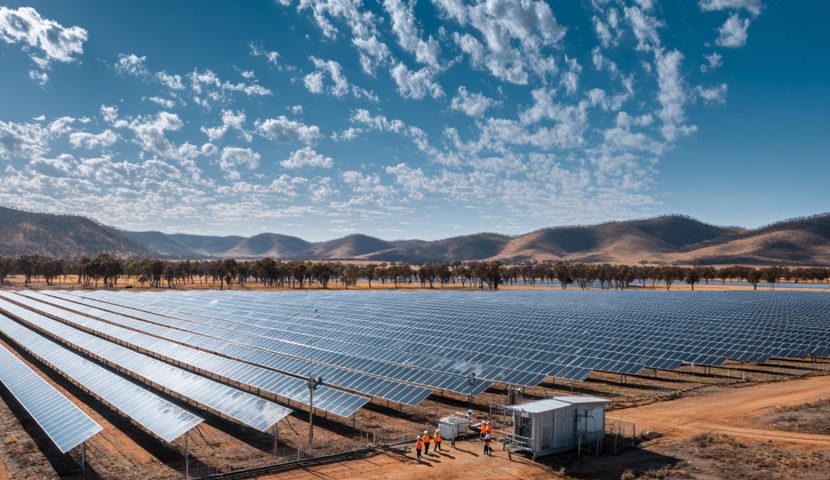
A regional wind‑energy facility operated dozens of turbines connected through an underground high‑voltage reticulation network to a central substation and transmission interface.
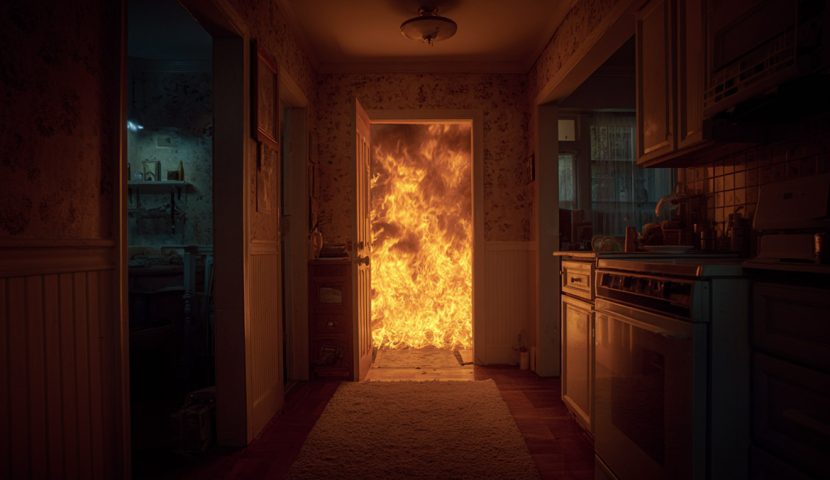
Normal operations were interrupted when a turbine experienced an electrical failure in its nacelle, initiating a fire within tower‑top components.
Flaming debris fell within the controlled exclusion zone; the fire self‑contained after power was isolated, but the event triggered immediate investigation by the asset’s insurer and safety officers.
Early findings pointed to an internal electrical fault — potentially preventable through earlier inspection or condition monitoring. The operator’s documentation showed that while maintenance procedures existed, inspection frequency and escalation thresholds were time‑based, not risk‑based, and there was no independent verification of control effectiveness.
Energy Solutions IQ Engagement
Following the incident, Energy Solutions IQ was engaged to perform an independent regulatory assurance review of the facility’s electrical systems and management processes.
Our role was to establish a factual baseline: what went wrong, why, and what governance systems were needed to prevent recurrence.
Our review involved:
- Inspection and evidence analysis of turbine electrical systems, protection coordination, and condition data.
- Audit of inspection intervals, maintenance findings, and escalation records.
- Evaluation of competency frameworks for field and supervisory personnel.
- Benchmarking against regulatory and industry expectations for renewable electrical asset management.
The investigation revealed gaps between documented safety management programs and actual field implementation — a common issue across large, distributed renewable operations.
Key Findings
- No risk‑based hierarchy existed for turbine criticality or inspection intervals.
- Electrical fault indicators were recorded but not escalated or correlated across the asset portfolio.
- Deferred corrective actions lacked documented engineering justification.
- Board reporting focused on production, not compliance assurance.
These deficiencies prevented the operator from demonstrating proactive control during the insurer’s post‑incident review.
Energy Solutions IQ Intervention
We guided the operator through development of a Regulator‑Aligned Electrical Assurance Framework, establishing:
- Risk‑based inspection programs proportionate to consequence and criticality.
- Turbine risk matrices defining inspection triggers, escalation thresholds, and remediation timelines.
- Clear governance pathways connecting field findings to officer‑level oversight.
- Independent verification and periodic audit performed by licensed inspectors.
- Evidence trails documenting inspection results, engineering risk assessments, and decision rationale.
The framework shifted compliance posture from reactive justification to continuous, defensible assurance.
Outcome
When the insurer reviewed the new assurance system, they reported “material improvement in demonstrable risk control and transparency.”
The operator’s premium loading was reduced, regulatory reporting requirements were streamlined, and executive leaders regained stakeholder confidence.
Subsequent audits confirmed full alignment with renewable industry guidance and relevant electrical safety legislation.
Since implementation, the wind farm has operated without further electrical fire or loss events.
Industry Implications
This case illustrates the difference between documented compliance and defensible assurance.
Reactive systems focus on responding after faults occur; proactive, risk‑based frameworks create documented proof that electrical safety is governed continuously.
For renewable‑energy operators, independent oversight by Energy Solutions IQ bridges that gap — converting lessons from incidents into robust compliance governance that regulators and insurers trust.
From Reactive Repair to Proactive Assurance
Electrical safety and compliance are not defined by how well an organisation reacts to failure, but by the evidence showing how it prevents it.
By engaging Energy Solutions IQ, this operator turned an incident into a catalyst for improvement — demonstrating to boards, insurers, and the community that safety and accountability can be proven, not presumed.
Energy Solutions IQ — Transforming Incident Lessons Into Regulatory Resilience.
Share: