

Victoria's electrical safety laws have changed. Has your compliance kept up?
Since 2024, Victoria has significantly strengthened its electrical safety regime. Energy Safe Victoria has new investigation and enforcement powers, penalties have increased, and utility-scale solar, wind and battery storage operators now carry obligations previously reserved for major electricity companies.
For owners, operators and officers, the question is no longer whether you have a compliance folder. It is whether your decisions will stand up when the regulator reconstructs them after an audit, complaint or incident.
Energy Solutions IQ is led by Michael Miskulin, who spent 14 years inside the Electrical Regulator. We help Victorian organisations understand what the law now expects and demonstrate that they meet it.

Victoria's energy safety reforms, 2024 to 2026
Energy Legislation Amendment (Energy Safety) Act 2023
- Penalties for breaching the general duty rose to up to $1.66 million, and up to $1.11 million for non-compliance with Safety Management Schemes and Bushfire Mitigation Plans.
- Owners and operators of solar farms, wind farms and battery storage facilities now carry the same obligations as major electricity companies.
- Energy Safe Victoria can accept enforceable undertakings, require incident sites to be preserved, and hold seized items for 60 days.
- The prosecution window now runs three years from when an offence is discovered, not from when it occurred.
Energy and Land Legislation Amendment (Energy Safety) Act 2025
- Power to immediately suspend an electrical contractor's registration or an electrical worker's licence where public safety is at risk.
- New prohibition notices and expanded improvement notices under the Electricity Safety Act 1998.
- Expanded officer powers, including entry to premises with a warrant to investigate public safety risks.
- Maximum penalties for offences such as installing unsafe electrical equipment increased to $48,000 for individuals and $240,000 for bodies corporate.
Staged commencement
Further changes under the 2025 Act commenced in stages, with the final tranche commencing on 1 April 2026. Organisations whose arrangements were designed before these reforms should confirm they still reflect what the regulator now expects.
Summary for general information only, not legal advice. Sources: Energy Safe Victoria — Legislation and regulations, Energy Safe Victoria — Changes to the energy safety legislation, Premier of Victoria, May 2024, Premier of Victoria, May 2025.
The laws that shape electrical compliance in Victoria
Electrical safety in Victoria is regulated by Energy Safe Victoria, which administers the Electricity Safety Act 1998 and its regulations. The Act places a continuous, outcome-based duty on those who own or operate electrical installations to keep them electrically safe — not only when electrical work is being done.
Alongside it, occupational health and safety law places due diligence duties on officers, so executives and board members can be personally exposed when electrical risks are not actively managed.
Compliance is rarely judged when decisions are made. It is examined afterwards, following incidents, complaints, audits or failures, based on the quality of decisions taken and the evidence available to support them.
- Electricity Safety Act 1998
- Electricity Safety (General) Regulations 2019
- Electricity Safety (Management) Regulations 2019
- Electricity Safety (Equipment Safety Scheme) Regulations 2019
- Electricity Safety (Registration and Licensing) Regulations 2020
- Electricity Safety (Bushfire Mitigation) Regulations 2023
- Electricity Safety (Electric Line Clearance) Regulations 2026
How electrical compliance is actually assessed
After an incident, historical approvals and commissioning sign-offs carry little weight on their own. Regulators look at whether risks were actively monitored, reassessed and controlled as circumstances changed. In practice, they ask four questions.
Was the risk foreseeable?
Could a reasonable owner or operator have known about the hazard, from asset condition, environment, change or past faults?
Were the controls proportionate?
Were inspection, testing and maintenance matched to the asset's criticality and the consequences of failure?
Is there evidence?
Can you produce auditable records showing what was known, what was decided, and why — including deferrals and risk acceptances?
Did officers exercise due diligence?
Did executives and boards have visibility of critical electrical risks, and did they act on it?
Regulator-aligned compliance support for Victorian organisations
A gap analysis of your arrangements against the current Victorian framework, assessed the way the regulator would.
Read moreInspection, Testing & AssuranceIndependent inspection and verification of installations, so compliance rests on evidence, not assumption.
Read moreElectrical Asset ManagementAsset registers, criticality-based maintenance and audit-ready evidence across the lifecycle.
Read moreGovernance & Competency FrameworksOfficer reporting, contractor competency and oversight that keep accountability with the duty holder.
Read moreIncident & Investigation ReadinessEvidence, decision trails and response plans in place before the regulator arrives.
Read moreExpert Witness & Regulatory AdvocacyIndependent expert opinion and representation grounded in first-hand enforcement experience.
Read more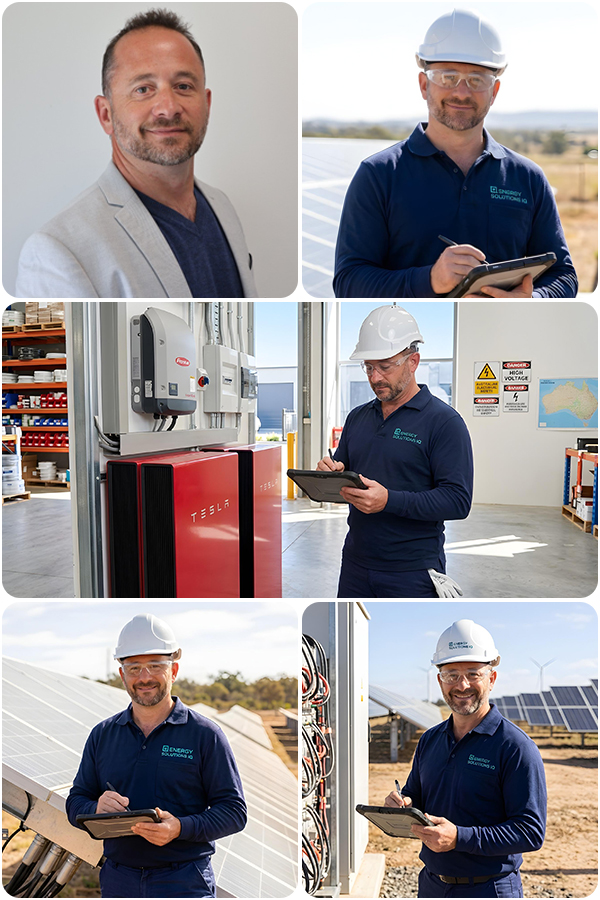
We know how Victoria's regulator thinks. We used to be part of it.
Michael Miskulin spent 14 years inside the Electrical Regulator, leading audits, investigations and enforcement action, sitting on enforcement committees, and contributing to the regulator's forward strategy as part of its senior leadership group.
That means we interpret Victorian obligations the way they are enforced in practice — and we understand how the regulator reconstructs decisions, applies discretion and weighs evidence after an incident.
Electrical compliance in Victoria: common questions
Who regulates electrical safety in Victoria?
Energy Safe Victoria (ESV) is the regulator. It administers the Electricity Safety Act 1998 and its regulations, and investigates incidents, complaints and non-compliance.
What does the Electricity Safety Act 1998 require of owners and operators?
It places an ongoing duty on those who own or operate electrical installations to keep them electrically safe, not only when electrical work is carried out. Specific regulations cover general safety, safety management schemes, equipment, licensing, line clearance and bushfire mitigation.
What changed in Victoria's electrical safety laws in 2024 and 2025?
From 16 May 2024, penalties for breaching the general duty rose to up to $1.66 million, renewable generators gained the same obligations as major electricity companies, and ESV gained powers such as enforceable undertakings and site preservation. The 2025 amendments added immediate suspension of registrations and licences, prohibition notices, expanded improvement notices and entry with a warrant, with changes commencing in stages to 1 April 2026.
Do solar farms, wind farms and battery storage sites have electrical safety obligations in Victoria?
Yes. Since the 2024 reforms, owners and operators of utility-scale solar, wind and battery storage facilities face the same electrical safety obligations as major electricity companies.
Can directors and officers be personally liable for electrical safety failures?
Occupational health and safety law places due diligence duties on officers. Executives and boards are expected to understand critical electrical risks and ensure they are resourced and controlled.
How do you help with electrical compliance in Victoria?
We review your arrangements against the current Victorian framework the way the regulator would, verify installations independently, and build the evidence, governance and decision trails that demonstrate compliance. Our founder spent 14 years inside the Electrical Regulator.
Find out where you stand under Victoria's current regime.
Tell us about your installations and what's prompting the question. We'll come back within one business day.
Assurance first. Done once. Done right.